
Vacant House Insurance In California
The House Is Sitting Empty
Nobody Is Living In The House, And You Are The One Looking After It
You drive by to check the doors. You pick up the mail. You are paying the bills on a house nobody is using. Maybe a parent died. Maybe a parent moved into care. Maybe a tenant left and you have not decided what happens next.
The house is standing there today and nothing has gone wrong. There is no emergency. There is just a short list of things worth handling while it sits, and the list is not long.
One item on it surprises almost every family, so we put it first. The insurance on an empty house usually does not work the way people assume it does, and nothing arrives in the mail to tell you.
Sometimes a clear path forward is the best option.
See My OptionsOr call Justin: 949-881-4454
- Family-owned & local
- 440+ Orange County sellers helped
- Not insurance advice. Call your insurer
- No fees, no commissions
- Licensed since 2004, DRE# 01448577
- Verified Google reviews
Start Here
What tends to happen to houses nobody is in
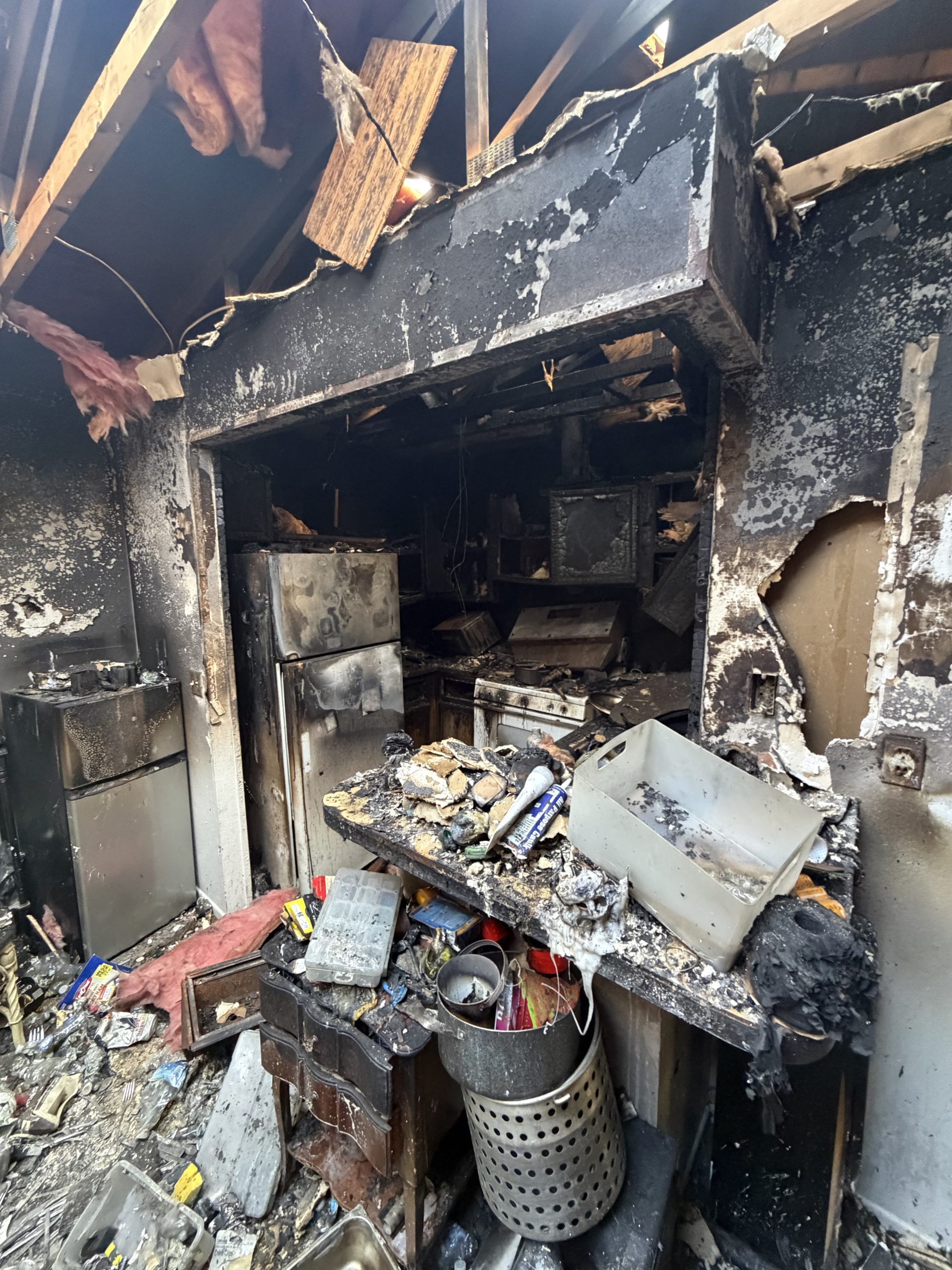
Empty houses have their own short list of troubles. A pipe lets go and nobody hears it. Somebody notices the mail piling up and tries a door. A small leak becomes a big one over a winter because there was nobody there to see the stain.
None of that is dramatic and none of it is likely in any given week. It is just what happens to houses over months instead of days.
Here is the part worth knowing. That same short list is very close to the list of things a standard home insurance policy stops covering once a house sits empty. So the risk goes up at roughly the same time the cover goes down, and you keep paying the premium through all of it.
The Insurance
There are two separate problems, and they get mixed up
They are different things. Both matter, and a family can be caught by either one on its own.
What Actually Changes
The policy does not vanish. Specific things stop being covered
This is the part that surprises people. The bill keeps arriving and the policy is still there. Certain items quietly drop out of it.
| What is at risk | What commonly happens to the cover |
|---|---|
| Vandalism | Commonly excluded once the house has been empty around 60 days |
| Water damage from a burst pipe or an overflow | Commonly excluded on the same sort of timing. And most policies only pay for a frozen pipe if you either kept the heat on or drained the water, so pick one |
| Theft | Can tighten, depending on the policy and the carrier. Worth asking about by name |
| Everything else | Some policies drop back to covering only named things, such as fire and lightning |
Read that list again and notice what it is. It is a list of the things that happen to houses nobody is living in.
That is not an accident. It is why the exclusions are written that way. An insurer pricing a policy is pricing the chance that somebody is there to notice a problem early, and in an empty house nobody is.
Two Words, Two Outcomes
Vacant and unoccupied are not the same word
It is a small distinction and it decides claims.
| The word | What it means to an insurer |
|---|---|
| Unoccupied | The furniture is still there. Nobody is living in it |
| Vacant | Empty. No people and no belongings |
Insurers treat them differently, and vacant is usually the worse one.
Which produces an outcome families do not expect: clearing the house out can make the insurance position worse, not better. A family doing the responsible thing, emptying the place so it can be sold, can quietly downgrade its own cover.
If you are planning a cleanout, that is worth one phone call to the insurer first. Not a reason to leave the house full. Just a reason to ask before the truck comes.
If the house is full of belongings, here is how that part usually goes
Cover That Actually Works
What it costs to insure an empty house properly
A policy written for a vacant house costs more than a normal one, and sometimes a lot more. We are not going to print a figure, because the honest answer is that the quotes we see are all over the place, and anything we typed here would be out of date by the time you read it. Get two or three actual quotes. That is the only number that means anything.
And in California, plan around the search itself. Carriers here have been selective about what they will write, and a vacant house is a harder risk to place than an occupied one. The California FAIR Plan, which is the state’s insurer of last resort, does not list vacant homes among the occupancy types it covers, so it is not the automatic fallback people assume. Expect the search to take longer than it would have a few years ago, and expect to talk to an insurance agent rather than a website.
So start the calls earlier than feels necessary. If the house is going to be empty for a few months, the time to find out who will cover it is the first week, not the month you need it.
Your Next Five Phone Calls
What to do, in order
None of this costs anything. It is five questions and a note of the answers.
-
Call the insurer this week
Before anything else on this page. Tell them what has happened and ask them directly: is this house still covered, and for what? Then ask them to confirm the answer in writing.
-
Ask exactly how many days
Every policy is different. Get the number for yours, and the date it starts counting from. We cannot tell you what your policy says and neither can anybody else who has not read it.
-
Ask what changes at that point
Not whether it is covered. What specifically stops being covered. That is a different question and it gets a far more useful answer.
-
Tell them the plan
Empty, someone staying there, being rented, being sold. The right policy depends on which one, and the wrong policy is worse than none, because you pay for it and still are not covered.
-
If there is a mortgage, tell the lender too
Insurance lapsing on a mortgaged house causes its own separate problem. One call now avoids it.
The Other Half Of It
And do not let the house look empty
Half of this is the insurance. The other half is that an empty-looking house gets noticed, and not by the people you would want noticing it.
Mail piling up and a brown lawn are a signal, and they are read by somebody driving past.
- Stop the mail or have somebody collect it. A full mailbox is the clearest sign there is.
- Keep the landscaping going. It is the one thing visible from the street.
- Put lights on timers, so the house is not dark every single night.
- Keep the power on. No power means no heat, no alarm, and in a wet winter, problems behind the walls.
- Either keep the heat on or drain the water. Most policies will only pay for a frozen pipe if you did one or the other. Pick one, write down which, and tell the insurer. If the house has a sprinkler system, leave the water on and keep the heat up, and ask the insurer what they need.
- Tell a neighbor. The cheapest security there is, and they will notice things nobody else will.
- Take photographs now, inside and out. If you ever do make a claim, you will want to be able to show what it looked like before.
A house that looks lived in is a house that stays out of trouble.
Being Straight With You
Why this ends up driving the decision
We are not going to pretend this is neutral advice, so here it is plainly.
An empty house costs money every month, and the risk goes up the longer it sits. Premiums, utilities, landscaping, property tax, the mortgage if there is one, and a slowly growing chance of something happening to a property nobody is watching.
That is not a reason to sell in a hurry. It is a reason to work out your monthly number early, on paper, so you are making the decision deliberately instead of discovering six months later that the carrying cost made it for you.
Sometimes the right answer is to keep the house, insure it properly and take your time. We will tell you when we think that is the case, and we have told plenty of people exactly that.
And if selling is the answer, there is more than one way to do it. There are four, and a cash sale is only one of them.
- Sell it to us. As it sits, nothing fixed, nothing cleaned out. We close in 10 to 30 days, or on whatever date you pick.
- A structured sale. In the right situation, full market value and still a fast close. If there is a loan on the house in the 2s, 3s or 4s, mention it on the first call.
- List it with us for 1%. Justin is a licensed California real estate agent, so if the open market serves you better, he can simply list it.
- Refresh it, then list it. When a small amount of cosmetic work would move the number a lot.
Sometimes a clear path forward is the best option.
See My OptionsSee all four ways to sell · Prefer to talk it through? Call Justin: 949-881-4454
Please Read This Part
This is not insurance, legal or tax advice
We buy and sell houses. Justin is a licensed California real estate agent, DRE# 01448577. He is not a lawyer, a CPA, a tax advisor or an insurance agent, and nothing on this page is advice about your policy, your estate or your taxes.
Every policy is written differently, and two houses on the same street can sit under completely different terms.
The only authoritative answer to any question on this page is the one your own insurer gives you in writing. For anything touching an estate, a trust or a tax bill, ask your own attorney or CPA.
We are glad to be a second set of eyes on the house itself, which is the part we actually know.
Common Questions
Questions families ask us about empty houses
I am still paying the premium every month. Is the house covered or not?
Paying the premium and being covered are two different things, which is exactly what catches people. Once a house sits empty, most standard policies restrict or remove parts of the cover. 60 consecutive days is the common cut-off and some policies move sooner. The bill keeps arriving either way. The only way to know where your policy stands is to call the insurer and ask them to confirm it in writing.
My parent died. Does their home insurance still work?
Partly, and for a while. Most standard policies keep running for the estate and for whoever is handling your parent’s affairs. What they generally do not do is cover whoever inherits the house. So once title moves, the new owner can be looking after a house they are not named on, and the policy will come up for renewal at some point with nobody obliged to renew it. Call the insurer early, tell them what has happened and who is dealing with the house now, and ask them in writing who is actually covered today.
Should I clear the house out first?
Ask the insurer before you do. Insurers treat unoccupied, meaning the furniture is still there, differently from vacant, meaning no people and no belongings, and vacant is usually the worse of the two. Clearing the house out can make the insurance position worse rather than better. It is one phone call before the truck comes.
How much does vacant home insurance cost in California?
More than a normal policy, and the spread is wide enough that any figure we printed would mislead you. Get two or three real quotes instead. The thing worth planning around is not the price, it is the time. In California the search can take longer than people expect, so start it the first week the house is empty rather than the month you need it.
Do I have to sell just because the house is empty?
No. Plenty of families keep an empty house, insure it properly and take their time, and that is sometimes the right call. What we suggest is working out the monthly carrying cost early so the decision is yours rather than something that happens to you six months from now.
Will you buy a house that has been sitting empty?
Yes, and the condition is not a problem. Empty, full of belongings, needing work, or in good shape and simply unused. We also do not need the house to be a fixer. If selling turns out to be the right move, we will show you all four ways to do it and tell you honestly which one we think fits.
Keep Reading
If any of this sounds like your situation
Sources
- California Insurance Code 2071, standard form fire policy
- California Insurance Code 2070
- California FAIR Plan, Dwelling policy and eligible occupancy types
- California Department of Insurance
Last reviewed October 2026. Policy terms change. Confirm anything on this page with your own insurer.
Free & No Obligation
See your options
Tell us about the house and Justin will personally follow up. You get a cash offer and the three other ways to sell it, side by side. It is free, there is no obligation, and you choose if and when to move forward. If keeping it is the better move, we will say so.