
Sell A Rental Property In Orange County, Tenant And All
Landlords and rental properties
Selling a rental property in Orange County
It is never one thing.
It is the management fee that went up again. The text about the faucet on a Sunday afternoon. The tax bill that is higher than last year, and the insurance that is higher than that, and a rent that has not moved in a while because you know exactly what the house looks like and you are not going to pretend otherwise.
The roof is coming. So is the air conditioner. You have known that for a while.
And somewhere in there it occurred to you that you have not had a month off from this in years.
Sometimes a clear path forward is the best option.
See My OptionsOr call or text Justin: 949-881-4454
- Family-owned & local
- 440+ Orange County sellers helped
- Verified Google reviews
- No fees, no commissions
- Licensed since 2004, DRE# 01448577
- BBB accredited
You did not neglect this house. You made a trade.
Here is what most people get wrong about a long-held rental, including plenty of people who write about them.
California does not make it easy to remove a tenant who stops paying. It can cost real money and take real time. So a tenant who pays on the first, every month, for years, is worth more than the extra few hundred you could probably get. You did not push the rent. You did not push for access. You kept the good one happy.
That was the right call, and it worked.
It also compounded. Every year you did not push was a year of maintenance you did not do and a rent that drifted a little further below what the house could get. Now the rent is low because the house is worn, and the house is worn because the rent was low.
To put it on the market you would have to spend money the property has not been making. To keep it you are looking at the roof, the air conditioner, and whatever is behind the walls.
And your tenant can hand you a notice any Tuesday, which puts the whole decision on somebody else’s calendar.
None of which is news to you. You have run this math already, probably more than once. You know what the house needs and roughly what it is worth. The question was never whether. It was when, and on whose terms.
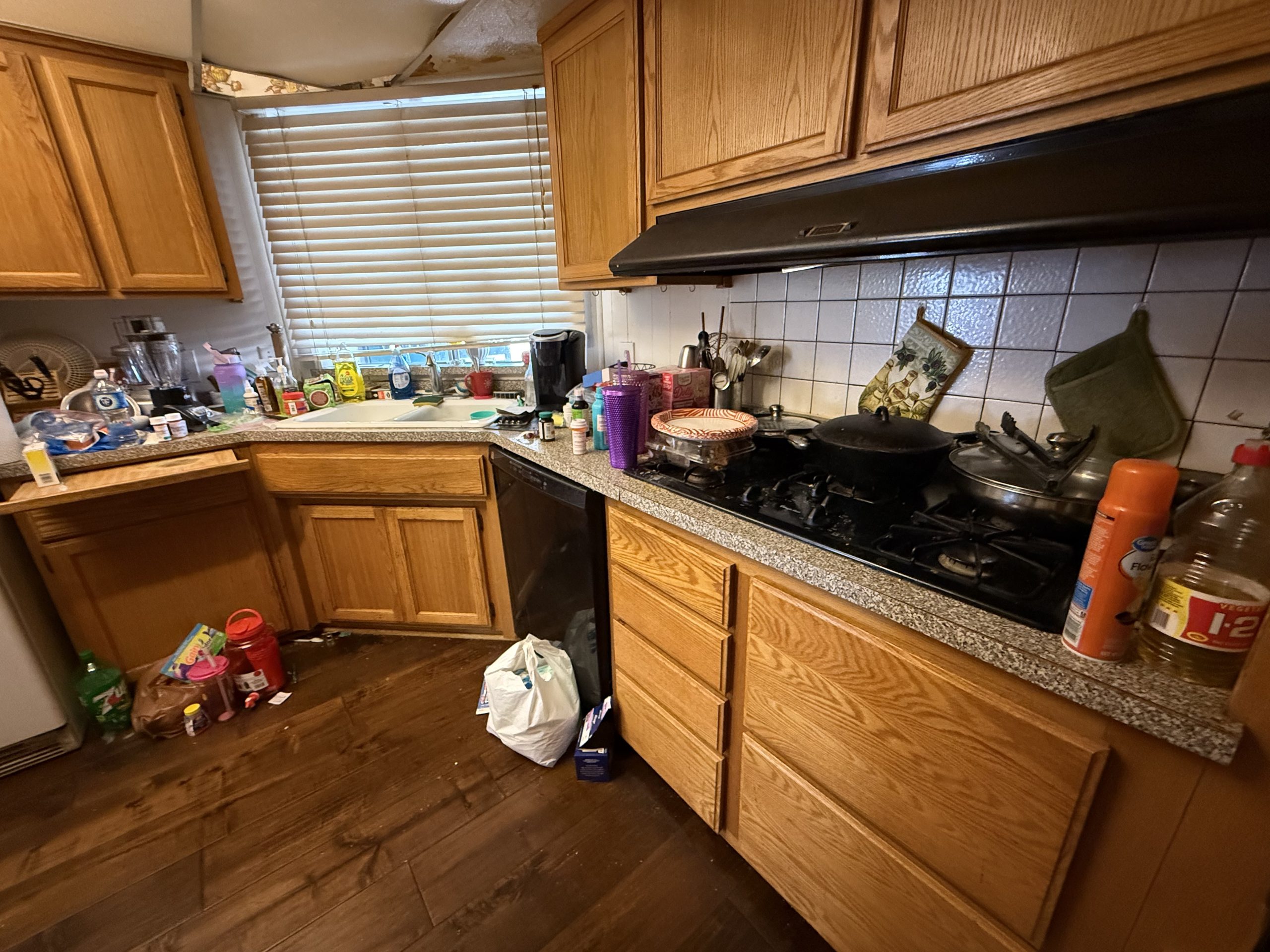
A rental belonging to a seller we helped who needed to sell fast, photographed the day we walked through. Nothing wrong with it. Just years of being a rental.
It is not just the roof
Most landlords budget for one big repair. They are usually thinking about the roof, because that is the one you can see.
The problem is that everything in that house went in at roughly the same time. The roof, the air conditioner, the water heater and the plumbing were all installed within a few years of each other, and they are all reaching the same age at once.
So it is not one expense. It is one expense, then another eighteen months later, then a third.
- $20,000
- The roof. The one you can see coming.
- $18,000
- The air conditioner. The one nobody sees coming.
- 10+
- Months of rent
Those two items on a house bringing in $3,750 a month are more than ten months of rent.
Not ten months of profit. Ten months of every dollar the house brings in, before the tax bill, the insurance, and the mortgage if there is one. Against what you actually keep, it is a good deal longer than that.
-
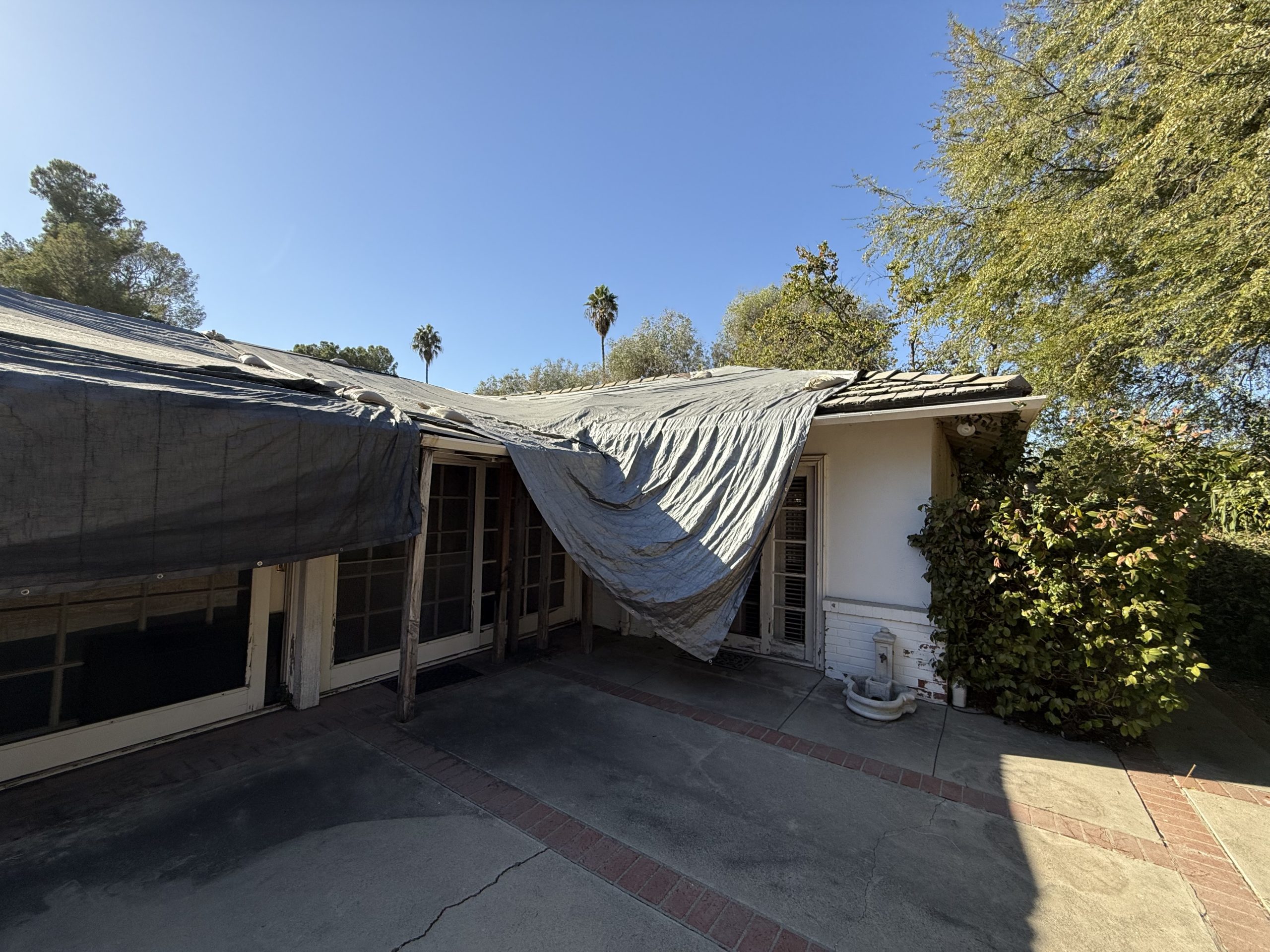
A tarp is not a repair. It is a clock.
-
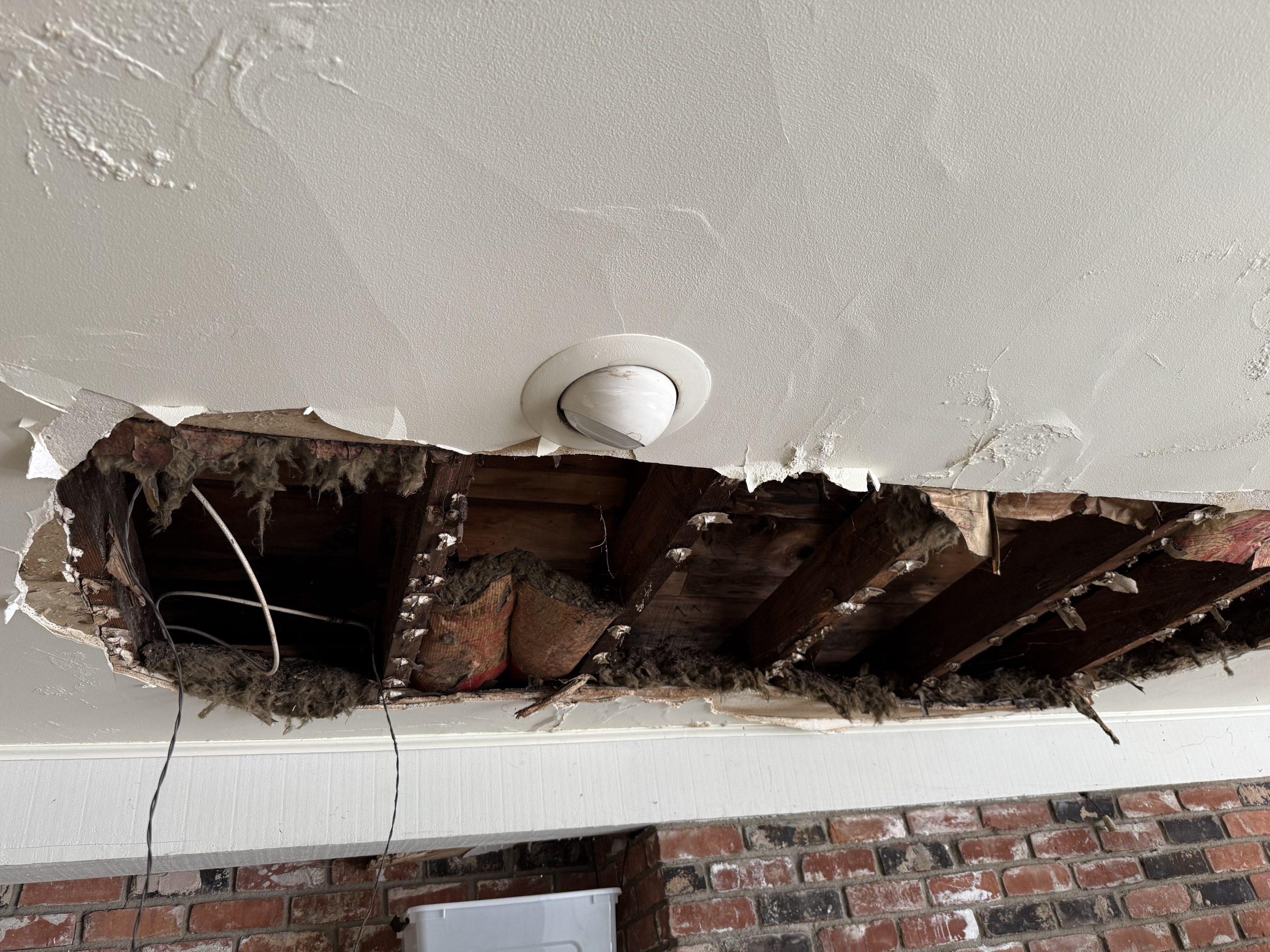
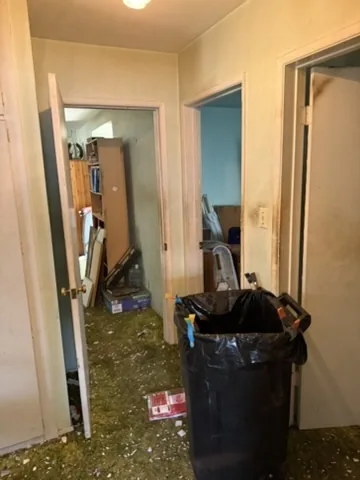
Some of it you can see.
-
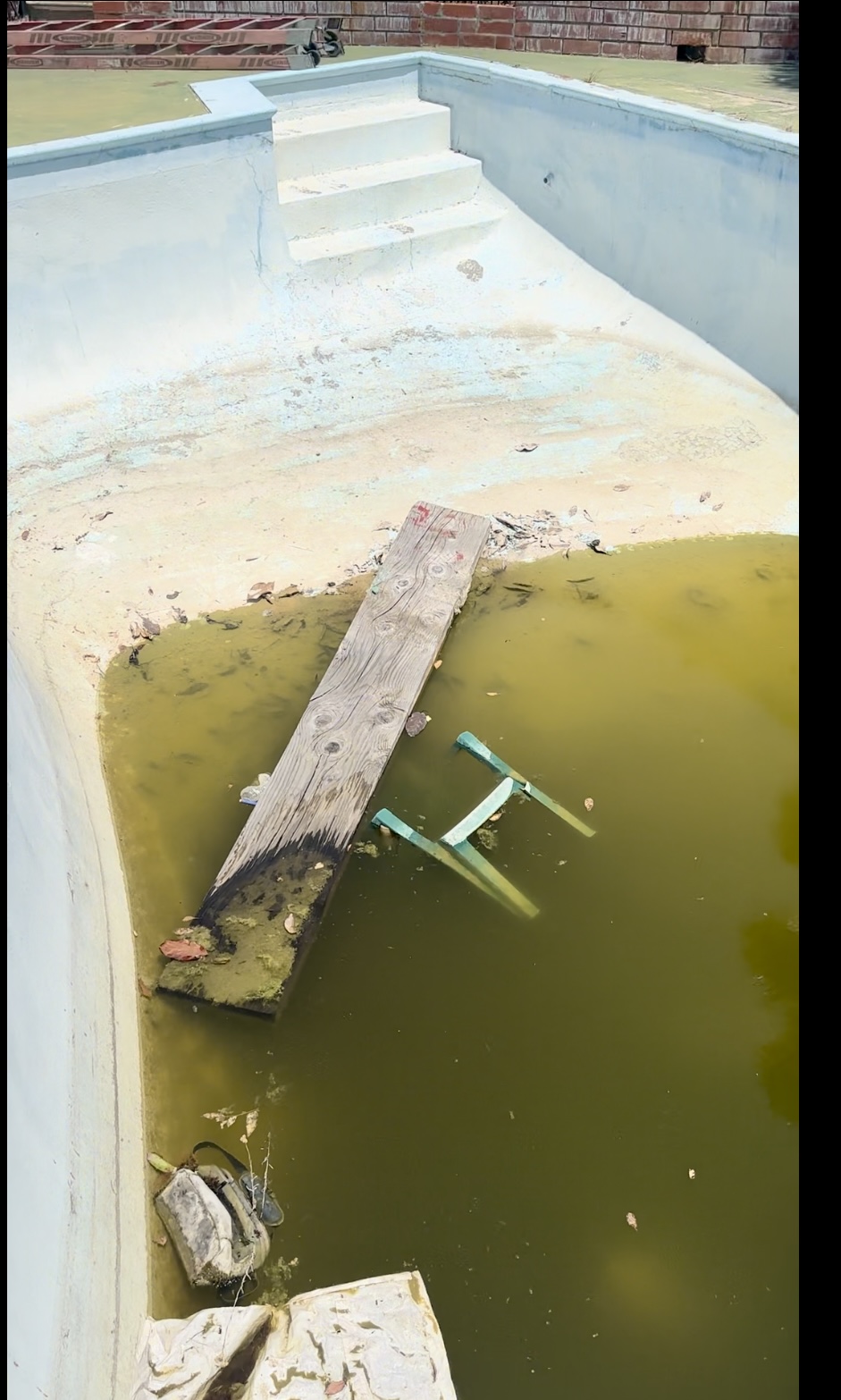
Some of it arrives while nobody is living there.
The air conditioner is the one that catches people out, and here is why.
Older systems run on a gas that stopped being made in 2020. You can still have one serviced, and nobody is going to make you replace a unit that works. But topping it up costs a great deal more than it used to, and there comes a point where it stops being worth doing.
And if the failure is big enough that both of the main parts need replacing, that counts as a brand new installation rather than a repair. A new installation has to use new equipment. So a unit that simply stopped cooling becomes a whole system.
And it is not only the big things
Under the roof and the air conditioner sits everything else. The plumbing. The water heater. The dozen small fixes a year that never feel like much on their own.
And the part nobody puts in a spreadsheet: your time. The Sunday texts. Getting quotes. Waiting around for somebody who said between noon and four.
Pay a property manager to take all of that off your hands, and it comes out of the same margin.
Long term rentals
The house you get back is not the house you remember
A tenant who stayed ten or fifteen years is a landlord’s dream right up until the day they leave.
Because for ten or fifteen years nobody walked the property. Rent arrived, nothing broke badly enough to call about, and there was never a reason to go out there. Meanwhile the roof aged, the yard went its own way, and the inside quietly stopped being the house you rented out.
Then the keys come back and you are standing in it.
Carpet, paint, a kitchen, a bathroom, a roof, and a yard, all at once, before a single new tenant or buyer can see it. That is the moment most of the landlords who call us are standing in.
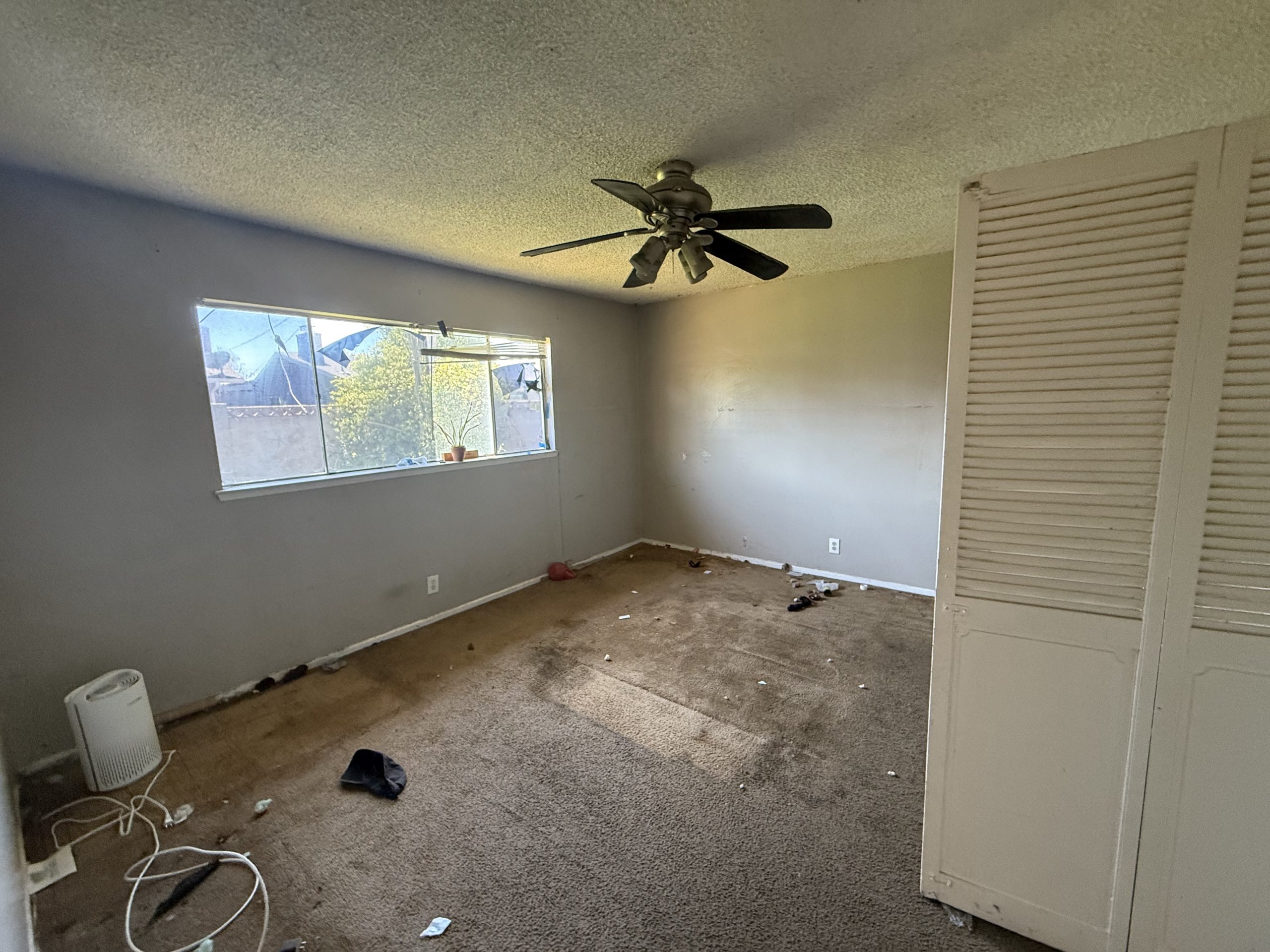
The mailbox at a rental belonging to a seller we helped who needed to sell fast. Nobody had opened it in a long time.
The one nobody warns you about
The tenant who never calls
Some tenants handle things themselves. They do not call. They fix the leak, swap the fixture, sort out the fence. For years you hear nothing, and it feels like the best tenant you ever had.
Often they are.
But nobody knows what was done, who did it, or whether it was done properly. A water heater a friend swapped out. A fitting under the sink. Something behind a wall that got solved.
None of it surfaces while they are living there. It surfaces when you sell.
On the open market it becomes an inspection finding and a question you have to answer, and a buyer’s lender can care about it too. Years of quiet, helpful fixes arrive all at once, at the worst possible moment.
And this is where the low rent finally catches up. The margin that should have been quietly building a reserve has been thin for years. So there is no reserve.
The rent was low because the house needed work. Now the work is due and the rent never built the money to do it.
In their own words
“My family and I had a great experience working with Justin Tanos of We Buy Houses in OC. From the first time I called to discuss our options after a tenant-related fire destroyed my elderly mother’s property, Justin was compassionate, and professional. There were no surprises, and escrow actually closed even sooner than we had anticipated. Justin 100% followed through on his commitments, kept us informed throughout the transaction, and worked with us to reach an agreement that was fair for everyone.”
Lily Jimenez · Google review
The equity is real. Getting at it is the problem.
A lot of these properties are owned free and clear, or close to it. Bought a long time ago, at a number that looks unreal now.
So the equity is sitting there and you can see exactly what it is.
Getting at it without selling means borrowing against it, and a loan payment comes out of a margin that is already thin. You would be trading the thing you have for a worse version of the thing you are already struggling with.
So the money is right there and it is stuck.
And for plenty of owners this is not a problem to be solved at all. It is a decision. Life changed, priorities changed, and that capital is worth more somewhere else now than it is tied up in a house with a tenant in it and a roof coming. You are not getting out of something. You are moving it.
Moving the money, not cashing out
I need to close for a 1031 exchange
First, the honest part. Justin is not a tax advisor and nothing on this page is tax advice. Whether an exchange is the right move at all is a question for your CPA, and the structure itself belongs to a qualified intermediary.
What he can speak to is the part that actually breaks these deals, which is the calendar.
An exchange runs on fixed windows. There is a window to identify what you are buying and a window to close, and neither one moves because a buyer went quiet or a lender turned something up late. Everything else is paperwork that can be worked out. The dates cannot. A buyer who cannot perform on the date puts the whole exchange at risk, not just the sale.
So the question to ask is not only what someone will pay. It is whether they can close on a specific date, and what happens if they do not. That is where we are useful. We are not waiting on a loan approval, and the date we agree to is the date we close.
Two things to do before anything else. Talk to your CPA. And have a qualified intermediary in place before your sale closes, because it cannot be set up afterwards.
Then bring us the date you need, and we will tell you honestly whether we can hit it.
Sometimes a clear path forward is the best option.
See My OptionsOr call or text Justin: 949-881-4454
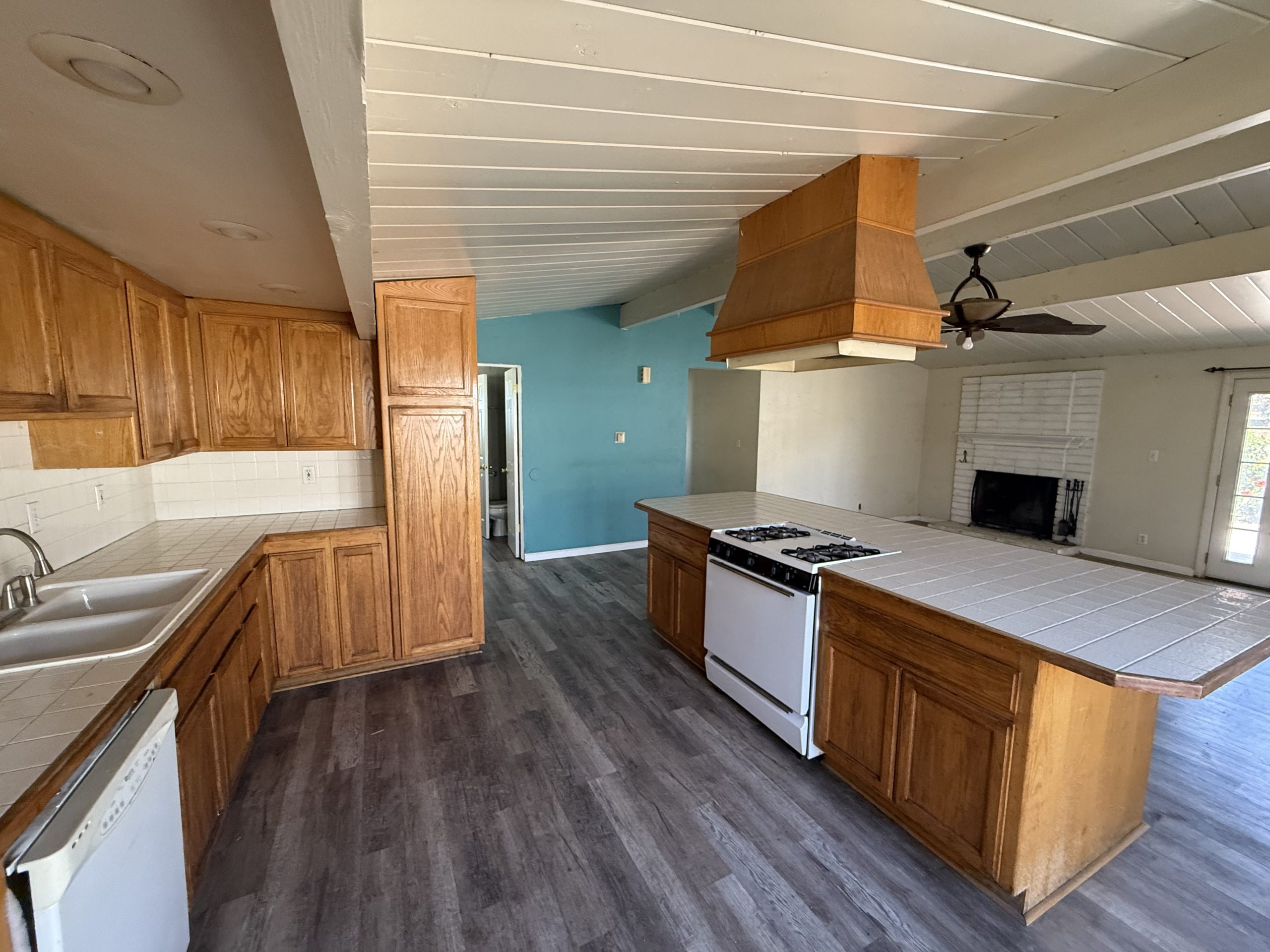
It does not have to be a fixer
Plenty of the rentals we buy are in good shape. The tenant looked after it, the owner kept up with it, nothing is broken. The reason for selling has nothing to do with the condition of the house.
The house does not have to be a problem. The situation is what matters.
A well-kept property is often where we can do the most for an owner, because more than one of the paths below is open to you.
Sometimes it was your house first
Not every rental started as an investment.
Plenty of them were somebody’s home. You lived there, life changed, and renting it out made more sense than selling at the time. Ten or twenty years later it is a rental on paper and still your old house in your head.
That makes this harder than a spreadsheet decision, and it is worth saying out loud rather than pretending the two are the same.
The conversation with your tenant
The part most landlords dread is not the sale. It is telling the tenant.
You have spent years keeping that relationship steady and now you have to say something they will not want to hear. So the conversation keeps getting put off, and the roof gets another year older.
Here is what has worked across several of these.
- Tell them early. Before anything is signed, before anyone walks through.
- Ask whether they want to buy it, and help them look into it if they do. It almost never works out. Someone who has rented the same house for years is usually not in a position to buy it. But it changes how everything after that goes. Every time, the tenant has been easier to deal with afterward, because they were given a real chance instead of a notice.
- Give them as much time as you can. More notice has always meant a better outcome for everyone, including the house.
Ways to sell
Four ways to sell it
Which one is right depends on the property, your timeline, and what you need to happen. Sometimes that is us. Sometimes it isn’t, and we will tell you.
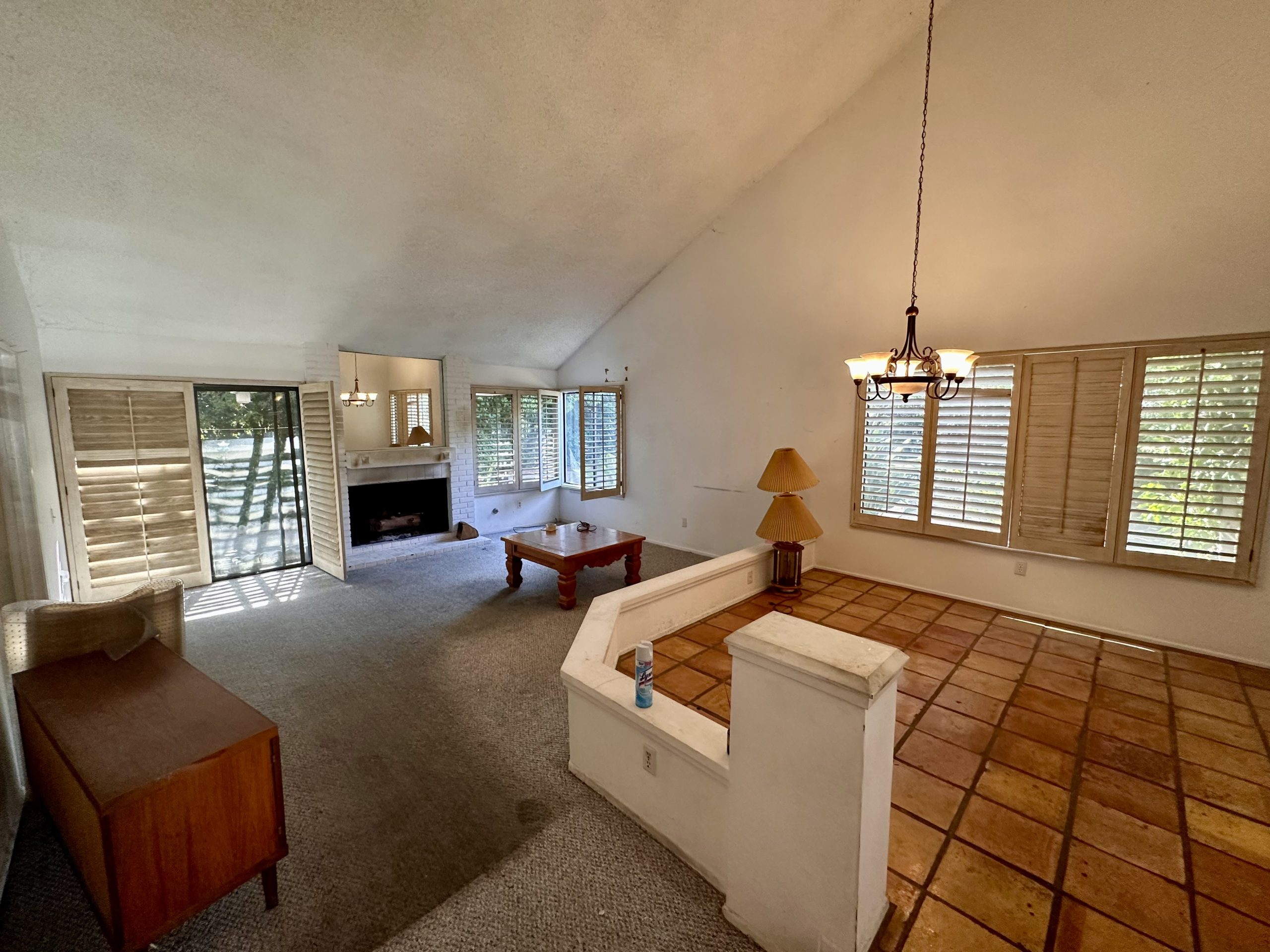
Worth mentioning on the first call
If there is still a loan on it
If the rate is in the 2s, 3s or 4s, that loan may be worth more than you think. With rates where they are now, a low rate is an asset, and in the right situation it can work in your favor instead of simply disappearing at closing.
In some of those situations we can pay full price for your house. Not a discounted cash number. Full price.
It depends on the property and the details, and we will tell you honestly whether yours qualifies.
Selling to us is not always the right answer
If the house is in better shape than you think, or the tenant is on a lease that makes it attractive to another investor, the open market may simply pay you more. If you are putting the money into something else rather than getting out altogether, the timing matters more than the price does, and the tax question is bigger than both.
We will tell you that. It is a short conversation and it costs you nothing, and you are better off hearing it from someone who looked at the actual property than from a calculator.
In their own words
“I had the pleasure of working alongside Justin when he helped my aunt sell her home, which came with its fair share of challenges. From start to finish, Justin did exactly what he said he would do. There were no hiccups, no surprises. He was patient, responsive, and always willing to answer every question, whether it came from me, my aunt, or her boyfriend.
Even as an agent myself (not representing her in this transaction), I truly appreciated his professionalism and communication. Justin handled everything seamlessly and made the process incredibly smooth for our family. I’m grateful for the care and integrity he brought to the transaction and would highly recommend him.”
Tonja Gray · Licensed agent · Google review
Our note: the property was a long-held rental that had been the owner’s home before she downsized, with a good deal of unpermitted work in it. Tonja is an agent and earned nothing on the transaction. She vetted cash buyers on her aunt’s behalf and chose us.
Questions
Questions landlords ask
Does the house have to be vacant?
No. We buy with tenants in place. You do not have to ask anyone to leave before there is a reason to.
What happens to the lease?
It comes with the house. If there is time left on it, that is something we account for rather than something we need you to fix first.
Do I have to repair anything?
No. Not the roof, not the air conditioner, not the things on the list you have been carrying around in your head.
What about the security deposit?
It gets handled at closing like every other number. You are not out of pocket for it.
I live out of state. Does that make this harder?
No. Most of this happens by phone and email. A neutral third party called an escrow company handles the money and the paperwork, so you do not need to fly in.
How fast can this happen?
Our goal is an offer within 24 hours of looking at the property. From there it is usually 10 to 30 days, or whatever date works better for you and your tenant.
What if I am not sure I want to sell?
Then find out what it is worth and what your options are, and decide after. Nothing about that conversation obligates you.
Free & No Obligation
Tell us about the property
You will explain the situation once. Justin will call you himself, usually within a few hours. He will ask what the house is like, what the tenant situation is, and what you need out of it. You get a cash offer and the three other ways to sell it, side by side.
Nothing gets decided on that call.
Or call or text Justin directly: 949-881-4454